
Poshmark: Shop & Sell Fashion
Poshmark, IncShopping
4.546.27K Reviews
- Version
- 2026.47.0
- Installs
- 10.00M
- Age Rating
- Everyone
Screenshots

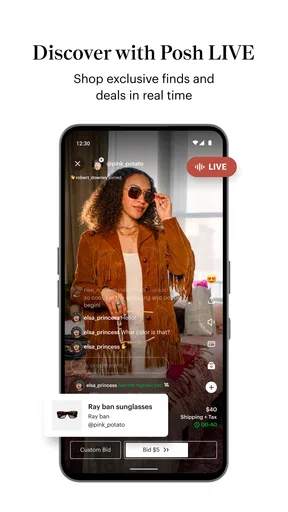

Our Review of Poshmark: Shop & Sell Fashion
 Analysis by Appyee
I approached Poshmark: Shop & Sell Fashion as both a shopping app and a selling tool, but the question that stayed with me was slightly different: how much control do I feel I have while browsing, listing an item, and managing an account? That matters in a marketplace because the experience involves more than choosing clothes. You may create a profile, communicate with other people, prepare listings, and make decisions about what information you are comfortable sharing.
Poshmark, developed by Poshmark, Inc, is a free shopping app for Everyone. It has been available since November 11, 2013, and its scale is easy to understand from its presence on Android: it has passed 10 million installs, with an average rating of 4.5 from roughly 202 thousand ratings. Those figures do not tell me whether every transaction will be smooth, but they do show that this is an established marketplace rather than a small experiment.
How the marketplace feels when trust matters
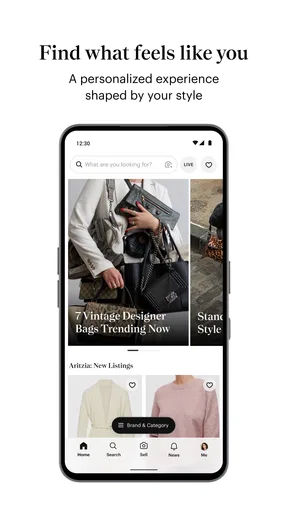
The basic idea is straightforward. I can browse fashion, look for savings, and use the same general environment to sell clothing and other items. That combination changes the rhythm of the app compared with a conventional online retailer. A retailer usually controls the product pages, checkout flow, inventory, and customer service. Here, the marketplace depends much more on individual listings and the choices made by buyers and sellers.
That is useful when I want variety, especially if I am searching for a particular style, a secondhand alternative, or something that is no longer easy to find in ordinary shops. It also means I need to read carefully. A listing is not just a product card; it is a description created by another user. Photos, condition notes, measurements, and wording deserve attention before I decide that an item is a bargain.
I found the app most appealing for people who enjoy browsing with a purpose. If I know the type of garment, brand, size, or look I want, a marketplace can open up possibilities that a standard store does not offer. If I simply want the fastest possible purchase with predictable packaging and a uniform return experience, a traditional retailer may feel calmer and more consistent.
The social side also affects trust. A seller is not only presenting an item but also presenting a profile and a communication style. That can make a good listing feel more personal, yet it introduces another layer of judgment. I would not treat a friendly description as proof of condition. I would use the visible information in the listing and keep questions focused on details that could change my decision.
What I check before buying
My first step is to slow down the impulse to purchase. I look at every available image, compare the stated size with measurements when they are shown, and read the condition description from beginning to end. Clothing sizes are inconsistent across brands, so relying only on the label can be risky. A garment that is technically my usual size may still fit differently because of its cut, fabric, or previous wear.
I also consider whether the listing answers the question I actually have. If I need to know about flaws, alterations, fabric composition, or the way an item sits, I would ask before committing rather than assuming. This is one of the app’s important trade-offs: the marketplace can offer more choice than a normal shop, but the buyer often has to do more interpretation.
A practical use case is building an outfit for a specific event without buying everything new. I might search for a jacket, compare several sellers, and then examine the photos for signs that it will work with clothes I already own. The saving is not only about the listed amount; it is also about avoiding a disappointing purchase that ends up unused. On Poshmark, careful selection is part of the value.
I would also keep the total transaction in mind rather than judging an item by its headline price alone. Delivery, timing, condition, and the effort required to communicate all affect whether the purchase is genuinely worthwhile. The app is more attractive when the item is distinctive or difficult to find, not necessarily when I am buying a basic product available immediately from a nearby store.
What selling requires beyond taking a photo
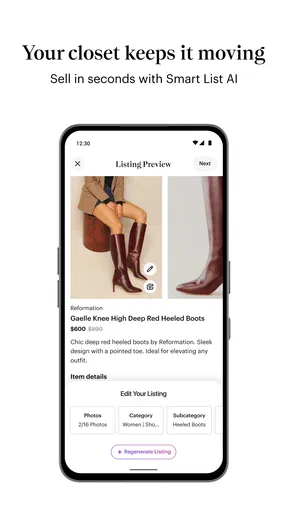
Listing an item looks simple in theory, but the quality of the listing affects nearly everything that follows. I would photograph the front, back, labels, close-up details, and any visible wear. Natural light helps a buyer judge color, while a plain background keeps attention on the item. I would describe the condition plainly instead of trying to make a used garment sound flawless.
One useful workflow is to prepare the information before opening the listing screen. I can gather the brand, size, measurements, material details, and notes about flaws first. That reduces the temptation to publish a vague listing and hope that photos will do all the work. It also makes later questions easier to answer because I have already checked the item carefully.
Another non-obvious trade-off is the time cost after publication. Selling is not finished when the item goes live. I may need to monitor activity, respond to questions, reconsider the presentation, and keep the item available until the transaction is complete. Poshmark is a better fit for someone willing to manage that small ongoing task than for someone who wants to remove an item from home with almost no interaction.
I would not list anything I cannot accurately inspect. If an item has been stored for a long time, I would check it again for dust, odors, loose stitching, or changes that were not obvious initially. That is not a special trick of the app; it is a practical way to protect both sides of a marketplace transaction. Clear disclosure builds confidence and reduces avoidable disagreement.
Account controls and visible choices
Because this is a marketplace, I pay attention to the points where the app asks me to create or use an account, communicate, and complete a transaction. I prefer to make those decisions deliberately rather than moving through screens automatically. Before publishing anything, I would review the profile details and listing information that will be visible to other users.
The same principle applies to communication. I would keep messages limited to the item and transaction, avoid sharing unnecessary personal details, and be cautious if a conversation starts to move away from the normal marketplace process. A request for information that is unrelated to buying or selling would be a reason for me to pause. Trust is stronger when I can understand why a detail is being requested and what role it plays.
I also like having a clear separation between browsing and selling. Someone may download the app only to look for a coat, while another person may use it mainly to clear out a wardrobe. Those are different levels of involvement. I would not add more profile information than I need for my intended use, and I would revisit account settings if my use changes from casual browsing to regular selling.
For privacy-conscious users, the important habit is to inspect the choices presented during setup, listing, messaging, and checkout rather than assuming that one decision covers every situation. I cannot treat a marketplace as anonymous simply because I am using a screen. Profiles, item descriptions, conversations, and transaction details all form part of the experience. The safest approach is to share only what is relevant and to read each prompt before accepting it.
Data-sensitive moments in ordinary use
The most sensitive moments are not necessarily dramatic. They can happen when I create an account, enter information needed for a purchase, publish a listing, or communicate with another user. Each moment deserves a quick check: what am I being asked to provide, who needs it, and is it necessary for the action I am taking?
Photos deserve attention too. A picture of a garment can accidentally include a shipping label, a document, a household address, or another person in the background. Before uploading, I would inspect the edges of every image and crop anything unrelated. This is a small habit, but it is particularly relevant in a resale marketplace where seller-created photos are central to the listing.
I would use the same care with descriptions. A seller may be tempted to mention personal circumstances to explain why an item is being sold, but buyers usually need product information rather than private background. Keeping the listing focused on condition, measurements, and relevant features makes it clearer and limits unnecessary exposure.
On the buyer side, I would avoid sending personal contact details in messages unless there is a clear, necessary reason within the normal transaction process. I would also be wary of urgency. A message that pressures me to act immediately, provide extra information, or change the expected process deserves a pause and a closer look. The app can provide a marketplace setting, but no platform can replace my judgment about a suspicious interaction.
These habits do not make the experience difficult. They simply change the way I use it. I can still browse casually, save interesting items mentally, and compare listings, but I do not treat every profile or description as automatically reliable. The strongest protection comes from combining the app’s visible account and transaction choices with careful behavior.
Where the app is stronger than ordinary shopping
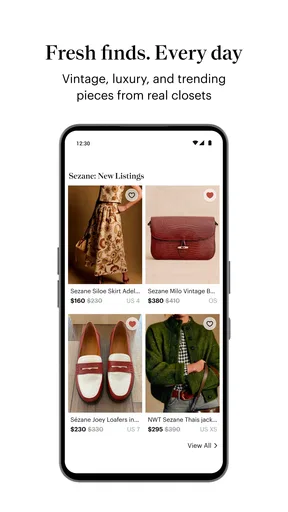
Compared with a typical retailer, Poshmark’s advantage is the breadth and character of a user-powered marketplace. I may find pre-owned pieces, unusual combinations, or items that do not appear in a standard seasonal catalog. The search process can feel more exploratory, which is enjoyable when I am looking for personal style rather than a single identical replacement.
It is also more practical for someone who wants one place to browse and sell. I can look for clothing while thinking about items in my own wardrobe that I no longer use. That connection makes the app feel less like a one-way shop and more like a cycle: find something useful, clear out something neglected, and make more deliberate choices about what stays in the closet.
The developer’s focus on this marketplace model is reflected in the app’s long availability and large user base. Its current version is 10.24.02, and Android support begins with version 7.0, which makes it accessible on a broad range of older devices. I would still keep the app updated when possible, especially for a service involving accounts and transactions, but the minimum requirement is not demanding.
Against a general classifieds service, the fashion focus is a benefit when I want clothing-specific browsing rather than a mixed stream of unrelated goods. Against a dedicated retailer, the trade-off is consistency. A retailer may offer standardized descriptions and a more predictable fulfillment process, while Poshmark offers a wider range of individual sellers and pre-owned items. Which is better depends on whether discovery or uniformity matters more for the purchase.
Who should use it, and who should skip it
I would recommend Poshmark to someone who enjoys secondhand fashion, is comfortable comparing listings, and does not mind asking sensible questions before buying. It is also a good match for a person who wants to sell clothing from home and is prepared to photograph items honestly, write useful descriptions, and stay involved after listing.
It can work well for budget-conscious shoppers, but only if they calculate value beyond the first number they see. A low-priced item is not a good deal if the fit is uncertain, the condition is unclear, or the purchase does not suit anything already owned. The app rewards patience more than impulse.
I would suggest a different shopping route for someone who needs a guaranteed fit, a precise delivery schedule, or a standardized return experience. I would also hesitate to recommend it to a seller who dislikes messaging, photographing, packing, or handling questions. The marketplace model gives users more variety and participation, but that participation is exactly what creates the extra work.
Parents and younger users should remember that the content rating is Everyone, but an age label does not remove the need for sensible account and communication habits. I would encourage any user to keep personal information limited, review visible profile details, and involve a trusted adult when appropriate for purchases or online interactions.
My practical routine for using it safely
When buying, I would begin with a narrow search and compare several listings rather than choosing the first attractive photograph. I would read the description, inspect signs of wear, check measurements, and ask one clear question if an important detail is missing. I would keep records of what I ordered and review the transaction details before completing the purchase.
When selling, I would clean and inspect the item, photograph it in a private setting, remove unrelated background details, and describe imperfections directly. I would avoid exaggeration, keep messages focused, and review the listing once more before publishing. These steps take a little longer, but they make the item easier to evaluate and give the other person a fairer basis for deciding.
For account management, I would periodically review what I have made visible, which notifications I want, and whether I still need every account detail I entered. I would not reuse casual marketplace conversations as a reason to share personal contact information. If something feels rushed or unclear, I would stop and verify the situation through the normal app experience instead of responding under pressure.
That routine is my main takeaway: Poshmark works best when I treat it as a marketplace requiring active judgment, not as a normal store where every detail has already been standardized. The app gives me useful choices, but it cannot decide whether a particular listing is honest, whether a size will fit, or whether a request for information is sensible. Those decisions remain mine.
My cautious verdict
After using it as a shopping and selling marketplace, I see Poshmark as a worthwhile option for people who value variety, secondhand fashion, and direct participation. The free price makes it easy to try, and the large community gives the service enough scale to make browsing and listing feel meaningful. Its strongest quality is not simple convenience; it is the chance to find and move on clothing through a more personal marketplace.
My reservation is that trust requires effort. I need to inspect listings, protect personal details, think carefully about images and messages, and accept that seller-created information will not always feel as uniform as a retailer’s catalog. That is not a reason to avoid the app, but it is a reason to use it thoughtfully.
For me, the right verdict is cautious recommendation. I would suggest it to a careful buyer or seller who wants more choice than a conventional shop can offer. I would not suggest it to someone who wants every purchase to be standardized, immediate, and nearly automatic. Used with clear boundaries and deliberate account choices, Poshmark is most convincing as a flexible fashion marketplace where user control and user responsibility go together.
Privacy and Permissions
See what permissions an app requests and how it handles your data.
- Contacts
- read your contacts
- Photos/Media/Files
- read the contents of your USB storage, modify or delete the contents of your USB storage
- Storage
- read the contents of your USB storage, modify or delete the contents of your USB storage
- Camera
- take pictures and videos
- Microphone
- record audio
- Wi-Fi connection information
- view Wi-Fi connections
- Other
- view network connections, change network connectivity, full network access, change your audio settings, run at startup, reorder running apps, control vibration, prevent device from sleeping, Google Play license check
Verdict
Strengths of Poshmark: Shop & Sell Fashion
- Easy listing tools make it simple to upload photos and describe items.
- Built-in shipping labels reduce the hassle of arranging delivery.
- Social features help sellers gain visibility through likes and shares.
- Offers and bundle discounts make negotiating with buyers more convenient.
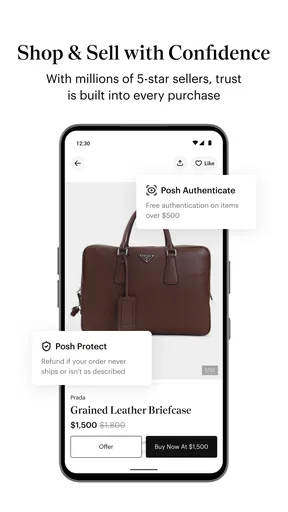
- Buyer protection adds reassurance when purchasing pre-owned fashion.
Limitations of Poshmark: Shop & Sell Fashion
- Seller fees can noticeably reduce earnings on lower-priced items.
- Popular brands and sizes may sell quickly, increasing competition for buyers.
- Shipping options may be less flexible for oversized or heavier products.
- Some listings may have inconsistent sizing, condition, or description accuracy.
- Notifications can become frequent when following many sellers or brands.
Similar Picks in This Category
View All
SHEIN-Shopping Online
Roadget Business PTE. LTD.4.8

Amazon Shopping
Amazon Mobile LLC4.4


Mercado Libre: Compras online
Mercado Libre4.8

Wish: Shop and Save
Wish US Holdings LLC4.7

Alibaba.com - B2B marketplace
Alibaba Mobile4.4
Frequently Asked Questions
What is Poshmark: Shop & Sell Fashion, and how does it work?
Poshmark is a fashion marketplace where users can buy and sell new or pre-owned clothing, shoes, accessories, beauty products, and selected home items. Sellers create listings with photos, descriptions, sizes, and prices, while buyers can browse, make offers, purchase items, and communicate through the app. The experience is built around social shopping, with follows, likes, comments, and themed virtual shopping events.
Is Poshmark safe for buying and selling items?
Poshmark includes several features designed to make transactions more secure, including in-app payments, prepaid shipping options, user profiles, ratings, and buyer protection policies. However, users should still inspect listings carefully, review seller feedback, ask questions when necessary, and keep all communication and payments inside the platform. Protection may depend on meeting Poshmark’s requirements and reporting an issue within the specified timeframe.
How much does it cost to sell on Poshmark?
Creating a listing on Poshmark is generally free, but the platform deducts a fee from completed sales. The exact fee structure can vary by country, marketplace, and current policy, so sellers should check the latest terms shown in the app before listing valuable items. Sellers should also consider packaging, possible discounts, shipping arrangements, and the final amount they will receive after fees.
How does shipping work when purchasing or selling on Poshmark?
When an item sells, Poshmark typically provides the seller with a prepaid shipping label, making the process simpler than arranging postage independently. The seller packages the order and sends it through the carrier specified by the label, while the buyer tracks delivery through the app. Shipping rules, label limits, carrier availability, and international options can differ depending on the user’s location.
Can I return an item if it does not fit or I change my mind?
Poshmark generally does not treat ordinary changes of mind, incorrect fit, or personal preference as automatic reasons for a return. Returns are usually considered when an item is significantly different from its listing, damaged, counterfeit, or otherwise fails to match the seller’s description. Buyers should review measurements, photos, condition details, and the current return policy before purchasing, then report qualifying problems promptly through the app.
